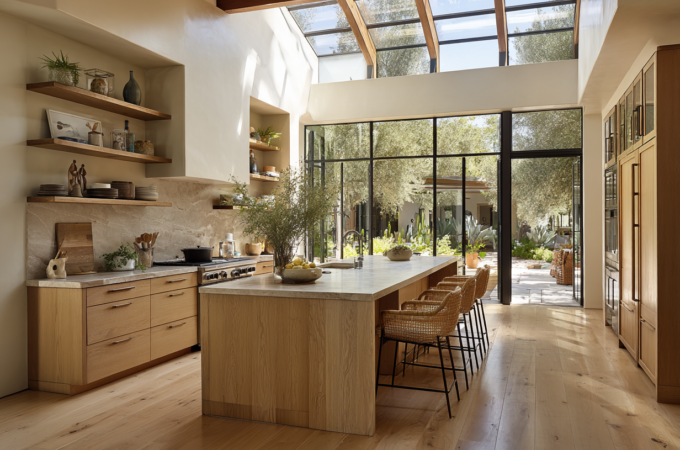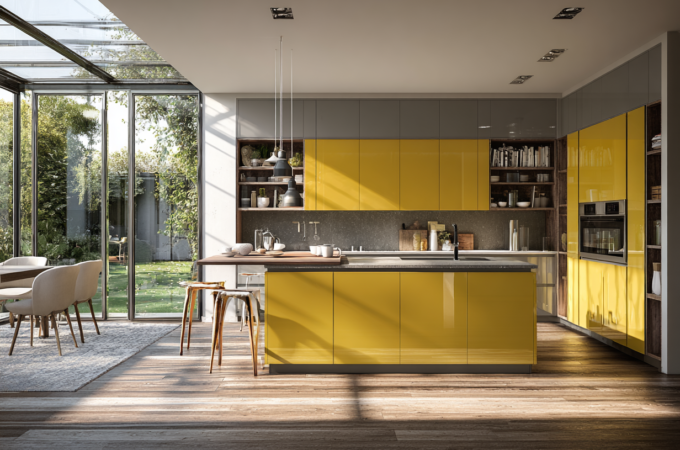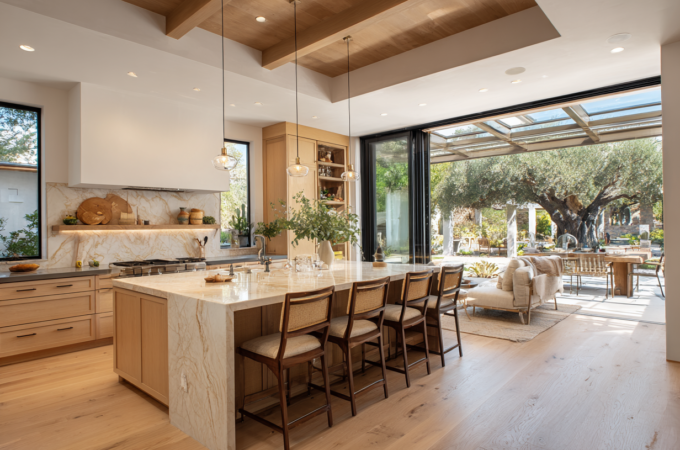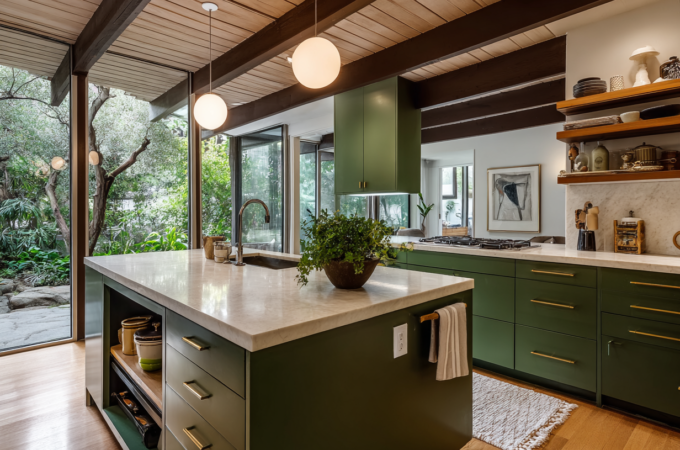
Do It Yourself Kitchen Cabinet Secrets No One Tells You
When people hear the phrase do it yourself kitchen cabinet, they often imagine a simple weekend project. A few tools, some wood, and a little patience—that’s all it takes, right?
Not exactly.
The truth is, building or upgrading your own kitchen cabinets can save money and give you full control over your space. But there are also hidden details, mistakes, and smart tricks that most guides never mention. These “secrets” can make the difference between cabinets that look homemade… and cabinets that look professionally done.
This guide will walk you through the real side of DIY cabinets—the parts people don’t usually talk about, but should.
Why So Many Homeowners Choose DIY Cabinets
A do it yourself kitchen cabinet project is popular for one simple reason: control.
You control the design, the color, the layout, and most importantly—the budget.
Instead of paying a high price for custom cabinets, you can create something that fits your exact needs. You can adjust the height, depth, and storage to match your cooking habits.
But there’s another reason people don’t always say out loud.
DIY cabinets feel personal.
When you build or upgrade your own cabinets, every corner of your kitchen reflects your effort. That connection is something store-bought cabinets can’t give you.
Secret #1: Planning Matters More Than Skill
Many people think cabinet building is about tools and technique. In reality, the biggest success factor is planning.
Before you cut a single piece of wood, you need a clear layout.
Think about:
- How often you cook
- What items you use daily
- Where you want easy access
A smart layout will save you more time than perfect craftsmanship.
For example, placing frequently used items at eye level makes your kitchen more efficient. Deep drawers near the stove can hold pots and pans. Vertical storage can help with baking trays.
A well-planned do it yourself kitchen cabinet project feels natural to use every day.
Secret #2: Cheap Materials Can Cost You More
One of the biggest mistakes beginners make is choosing the cheapest materials.
It feels like a good idea at first. After all, DIY is supposed to save money.
But low-quality wood can warp, crack, or bend over time. Hinges may loosen. Doors may not align properly.
Instead, focus on balance.
You don’t need the most expensive materials, but you do need reliable ones. Plywood is often better than particleboard for cabinet boxes. Solid wood works well for doors.
Spending a little more upfront can prevent expensive fixes later.
Secret #3: Your Measurements Must Be Perfect
Cabinets are not forgiving.
Even a small mistake—just a few millimeters—can cause big problems.
Doors may not close properly. Drawers may stick. Gaps may appear between cabinets.
Always measure twice. Then measure again.
And here’s something many people overlook: walls are rarely perfectly straight.
When installing cabinets, you may need to adjust for uneven surfaces. This is why professionals often use shims to level cabinets during installation.
Precision is the backbone of any do it yourself kitchen cabinet project.
Secret #4: Painting Is Harder Than It Looks
Painting cabinets seems simple, but it’s one of the most challenging parts.
The finish needs to be smooth, even, and durable. Any mistake will be visible every day.
Here’s what many beginners don’t realize:
- You must clean surfaces thoroughly before painting
- Sanding is not optional—it’s essential
- Primer helps paint stick and last longer
Skipping these steps leads to peeling paint and uneven texture.
Also, brush marks can ruin the look. Using a roller or spray system can give a more professional finish.
A clean paint job can make your cabinets look expensive—even if they’re not.
Secret #5: Hardware Changes Everything
Cabinet handles and hinges may seem like small details, but they have a huge impact.
Simple hardware can make cabinets feel basic. High-quality hardware can make them feel modern and stylish.
Soft-close hinges are a perfect example. They prevent doors from slamming and add a premium feel.
Handles also affect usability. Large handles are easier to grip, especially when your hands are wet or greasy.
When working on a do it yourself kitchen cabinet, don’t treat hardware as an afterthought. It’s part of the experience.
Secret #6: Lighting Makes Cabinets Look Better
Most people focus only on the cabinets themselves. But lighting can completely change how they look.
Under-cabinet lighting adds both beauty and function. It helps you see your workspace clearly and creates a warm atmosphere.
Even simple LED strips can make a big difference.
Good lighting can highlight your work and hide small imperfections. It brings out the color and texture of your cabinets.
This is one of the easiest upgrades that feels like a big improvement.
Secret #7: You Don’t Have to Build Everything From Scratch
Here’s something many people don’t tell you: a do it yourself kitchen cabinet project doesn’t always mean building from zero.
You can:
- Reface old cabinets
- Replace doors only
- Add new hardware
- Paint existing structures
These options can save time and money while still giving your kitchen a fresh look.
Sometimes, upgrading what you already have is smarter than starting over.
Secret #8: Storage Design Is More Important Than Looks
Beautiful cabinets are great—but practical cabinets are better.
Think about how you use your kitchen daily.
Do you struggle to reach items in the back? Do you run out of space?
Smart storage solutions can fix these problems:
- Pull-out shelves for easy access
- Lazy Susans for corner cabinets
- Drawer dividers for organization
These features improve your kitchen experience every day.
A successful do it yourself kitchen cabinet project focuses on function first, then style.
Secret #9: Time Is Always Underestimated
Most DIY projects take longer than expected.
Cabinets are no exception.
What seems like a weekend project can turn into several weeks. Drying time, adjustments, and unexpected issues all add up.
Planning your time realistically will reduce stress.
Instead of rushing, focus on doing each step properly. The final result will be worth the extra time.
Secret #10: Mistakes Will Happen—and That’s Okay
Even professionals make mistakes.
The key difference is how they fix them.
If a cut is slightly off, you can adjust it. If paint looks uneven, you can sand and repaint.
DIY is not about perfection. It’s about progress.
Every mistake teaches you something valuable.
When working on a do it yourself kitchen cabinet, patience is more important than perfection.
Secret #11: Tools Matter, But Not As Much As You Think
You don’t need a full workshop to build cabinets.
Basic tools can get the job done:
- Measuring tape
- Drill
- Saw
- Level
Advanced tools can make the process easier, but they are not required.
Skill and attention matter more than expensive equipment.
Start simple. Upgrade tools only when needed.
Secret #12: Small Details Create a Big Impact
It’s easy to focus on large parts of the project—cutting wood, assembling frames, painting surfaces.
But small details make cabinets feel finished.
Things like:
- Even spacing between doors
- Clean edges
- Smooth corners
These details create a polished look.
Take your time with finishing touches. They are what people notice most.
Secret #13: Maintenance Is Part of the Process
Building cabinets is not the end of the journey.
Over time, cabinets need care.
- Tighten loose hinges
- Clean surfaces regularly
- Touch up paint when needed
Maintaining your cabinets keeps them looking new for years.
A well-maintained do it yourself kitchen cabinet can last just as long as store-bought ones.
Final Thoughts
A do it yourself kitchen cabinet project is more than just a way to save money. It’s a chance to create something meaningful.
But success doesn’t come from following basic instructions alone. It comes from understanding the hidden details—the secrets that many people overlook.
Plan carefully. Choose good materials. Focus on function. Take your time.
And most importantly, enjoy the process.
Because in the end, the best part of DIY is not just the cabinets you build—it’s the experience you gain along the way.