Yellow Kitchen Cabinets With Wood Floors Warm and Timeless or Too Much Yellow
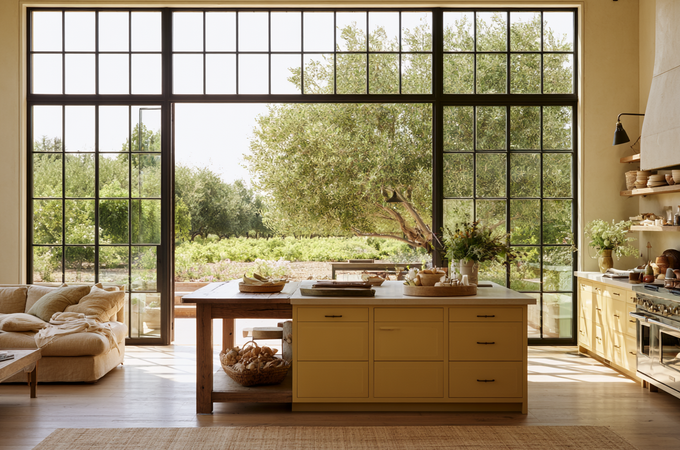
Yellow kitchen cabinets can make a kitchen feel sunny before the morning light even reaches the windows. Add wood floors, and the room gains another layer of natural warmth.
It sounds like an easy match. But there is a catch.
Both yellow and wood can have strong warm undertones. Choose the wrong shades, and the kitchen may look too golden, orange, or even dated. Choose them carefully, and yellow kitchen cabinets with wood floors can create a welcoming kitchen that feels warm without trying too hard.
So, is this combination timeless or simply too much warmth in one room?
The answer depends less on yellow itself and more on the shade, wood tone, lighting, and colors you use between them.
Why Yellow Kitchen Cabinets and Wood Floors Work Together
Yellow and natural wood have something important in common: warmth.
Most wood floors contain some amount of yellow, brown, red, or orange. Yellow cabinets can bring out those tones and make the whole kitchen feel connected.
There is also a natural quality to this pairing. Think about honey, wheat, autumn leaves, oak trees, and sunlight. These colors already appear together outdoors, so they often feel comfortable together inside a home.
The combination can work in many kitchen styles, including:
- Traditional kitchens
- Farmhouse spaces
- Cottage-style homes
- Mid-century modern kitchens
- Rustic interiors
- Warm contemporary kitchens
The challenge is creating enough contrast so the cabinets and floor do not blend into one large block of warm color.
Not Every Yellow Works With Every Wood Floor
This is where many yellow kitchens go wrong.
A soft butter yellow cabinet beside a medium oak floor may look warm and relaxed. Put a strong golden yellow beside very honey-colored wood, and suddenly everything can look orange.
Before choosing yellow kitchen cabinets, study the undertones in your flooring.
If your floor has strong golden or orange tones, consider a softer and less saturated yellow. Creamy yellow, pale straw, muted mustard, or yellow with a slight beige undertone can be easier to balance.
If your floor is dark brown or walnut, you have more room to use a noticeable yellow because the darker wood creates contrast.
The goal is not to find two colors that perfectly match.
In fact, too much matching is often the problem.
Light Wood Floors Create a Fresh, Airy Look
Light oak, white oak, maple, and similar pale woods are some of the easiest floors to pair with yellow cabinets.
Because the flooring is relatively quiet, the cabinets can become the main source of color.
Imagine pale yellow kitchen cabinets with light oak floors, off-white walls, and a white quartz countertop. The yellow adds personality, while the wood keeps the kitchen natural.
This can be especially useful in smaller kitchens.
Light floors do not create a heavy visual base, and softer yellow cabinets can reflect light around the room. Together, they may make the kitchen feel brighter and more open.
For a modern look, keep the cabinet design simple. Flat-panel or clean Shaker-style doors prevent the yellow-and-wood combination from becoming overly traditional.
Medium Oak Is Beautiful but Needs More Care
Medium oak can be a little more challenging.
Many oak floors have clear golden or honey undertones. Pairing them with a similar golden yellow can make the room feel like it has a yellow filter over everything.
Instead, create some separation.
You could use muted yellow cabinets with a countertop that introduces a neutral break between the cabinets and flooring. Warm white, soft cream, light gray, or subtle stone patterns can work well.
The wall color can do the same job.
Rather than adding another warm yellow or beige, consider a quiet off-white or very soft neutral. This gives your eyes somewhere to rest.
Medium oak and yellow kitchen cabinets can absolutely work together. They simply need a neutral color to keep all that warmth under control.
Dark Wood Floors Give Yellow Cabinets More Drama
Dark wood floors change the relationship completely.
Walnut, espresso-stained oak, and other deep brown floors create a strong foundation beneath yellow cabinets. The contrast makes the yellow look brighter while giving the room more depth.
This is one of the best approaches if you want yellow cabinets to feel sophisticated rather than cute.
Try muted mustard or warm ochre cabinets with dark walnut flooring. Add a pale stone countertop and simple hardware, and the kitchen can feel rich without becoming overly colorful.
Dark floors can make a small kitchen feel heavier, though. If natural light is limited, use lighter countertops and walls to balance them.
What About Honey-Colored Wood Floors?
Honey-colored floors are probably the biggest test for yellow cabinets.
The two colors can be very close.
If both the floor and cabinets are strongly golden, there may not be enough visual separation between them.
That does not mean you need to replace the floor.
Instead, move away from bright sunflower yellow and look at more complex shades.
A dusty ochre, creamy pale yellow, muted mustard, or yellow-beige can create enough difference to make the pairing intentional.
Another option is to let the countertop become the visual divider.
A light marble-look surface, creamy quartz, soapstone, or another contrasting countertop can interrupt the yellow-to-gold transition.
The Countertop Can Make or Break the Combination
When both the cabinets and floors are warm, the countertop becomes especially important.
Think of it as a bridge between the two surfaces.
White countertops create the strongest break and can make yellow cabinets look cleaner. Warm white and cream are softer choices if pure white feels too sharp.
Gray stone can work, but be careful with cold blue-gray surfaces. They may look disconnected from a warm yellow-and-wood palette.
Natural stone with subtle brown, cream, gold, or gray veining can be particularly useful because it can pick up colors from both the cabinets and floor.
You do not necessarily need a dramatic countertop. Sometimes its job is simply to give the warmer colors some breathing room.
Hardware Changes the Mood More Than You Might Expect
Hardware is small, but it can push yellow cabinets in very different directions.
Brass hardware emphasizes warmth. It can look beautiful with pale yellow, especially in traditional or cottage kitchens. But if your cabinets, floors, backsplash, and lighting are already very warm, more gold may be unnecessary.
Black hardware creates sharper contrast and can make yellow cabinets feel more modern.
Nickel or stainless steel can introduce a cooler note, which may be helpful when the room has a lot of warm wood.
There is no single correct finish. Look at what the kitchen already has before adding another warm tone.
Use the Backsplash to Calm Things Down
A busy backsplash can quickly become one element too many.
You already have color in the cabinets and natural variation in the wood flooring. The backsplash does not always need to compete for attention.
Simple options often work best.
Warm white tile, handmade cream tile, pale stone, or a backsplash that matches the countertop can create a quieter background.
If you want pattern, keep the colors restrained.
The kitchen should have a clear visual hierarchy. When yellow kitchen cabinets are the main feature, every other surface does not need to make its own statement.
Natural Light Can Completely Change Yellow
Never choose a yellow paint from a tiny sample under store lighting.
Yellow reacts strongly to light.
A pale yellow that looks soft on a paint card can become much brighter across a full wall of cabinetry. Warm artificial lighting can make it look even more golden at night.
Wood changes under different lighting too.
Before committing, paint a large sample board with your chosen cabinet color. Place it vertically beside the actual flooring and look at it throughout the day.
Check it in:
- Morning sunlight
- Afternoon light
- Cloudy conditions
- Your normal kitchen lighting at night
This simple test can save you from discovering that your “soft yellow” kitchen becomes orange after sunset.
How to Keep a Yellow-and-Wood Kitchen From Looking Dated
Yellow kitchens are not new. That is actually part of their appeal.
But certain combinations can remind people of older kitchens, especially strong yellow cabinets paired with orange-toned wood, beige countertops, and yellow lighting.
If you want a more current look, avoid stacking too many warm finishes together.
Give the room contrast.
For example, combine muted yellow cabinets and natural wood flooring with clean cabinet lines, a simple backsplash, understated hardware, and a lighter countertop.
You can also introduce small amounts of cooler color.
Sage green, dusty blue, charcoal, soft gray, and even black can balance the warmth without taking away the cheerful character of the yellow.
So, Is It Too Much Yellow?
It can be.
If you combine golden yellow cabinets, honey oak floors, cream walls, brass hardware, warm lighting, and a beige countertop, the room may feel overly warm because almost every surface has a similar undertone.
But that is not really a problem with yellow kitchen cabinets.
It is a problem with balance.
A successful kitchen usually includes contrast somewhere. It could come from dark flooring, pale countertops, cooler hardware, white walls, or a restrained backsplash.
You want the yellow and wood to relate to each other without looking identical.
Final Thoughts
Yellow kitchen cabinets with wood floors can feel warm, timeless, and full of personality when the undertones are handled carefully.
Light wood can make yellow feel fresh. Dark wood can make it look richer. Medium and honey-toned woods can work beautifully too, but they usually need more contrast from countertops, walls, or other finishes.
Most importantly, do not choose each part of the kitchen separately.
Put samples of the cabinet color, flooring, countertop, backsplash, and hardware next to one another. Then look at them in the actual kitchen at different times of day.
When those pieces balance rather than compete, yellow stops feeling risky.
It simply makes the kitchen feel warmer—and that is a quality that rarely goes out of style.