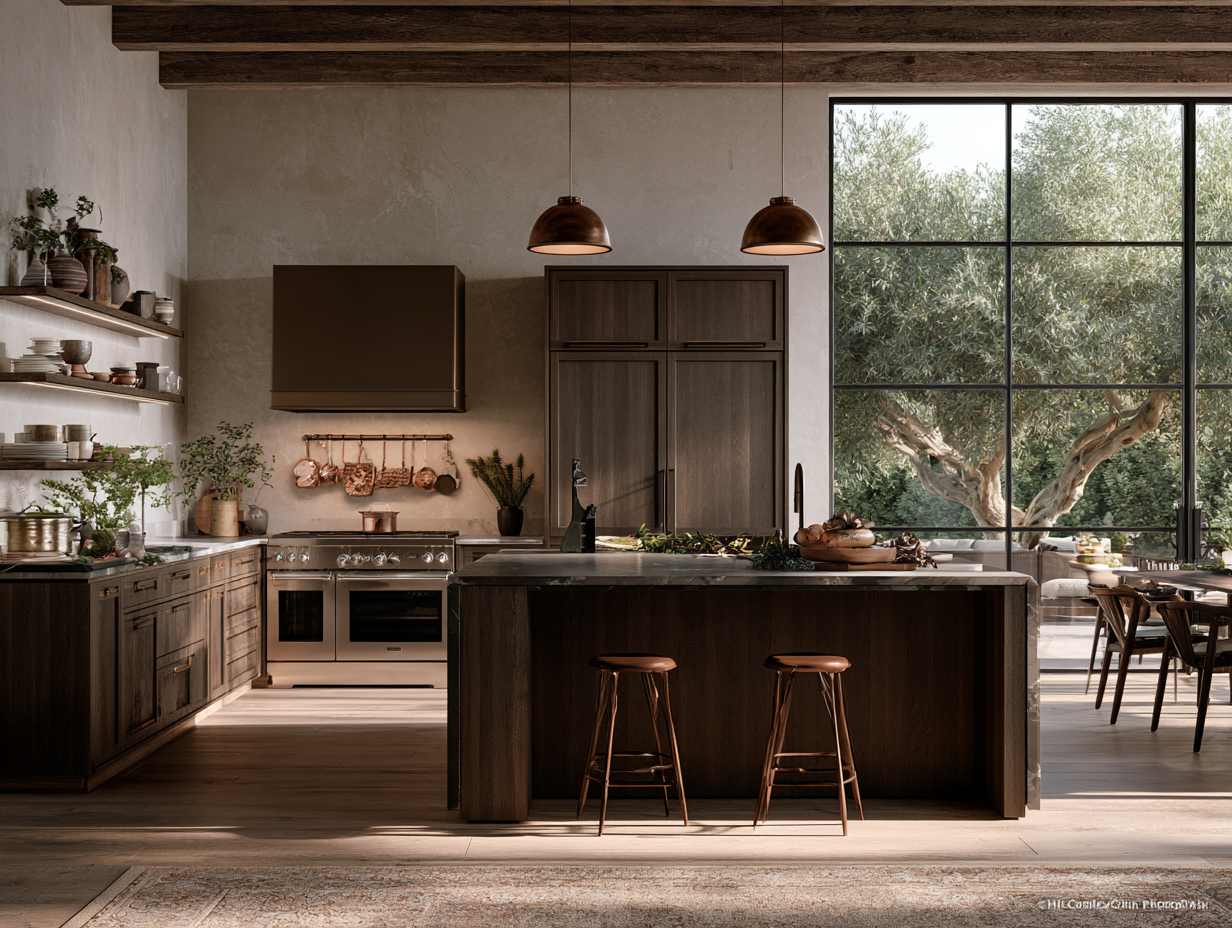
Brown Kitchen Cabinets With Brass Hardware Why This Pairing Feels So Refined
My grandmother had dark walnut cabinets in her kitchen for over 40 years. Every one had a little brass pull that had worn smooth from decades of hands. As a kid, I didn’t think much of it. It was just Grandma’s kitchen.
Last year, I toured a brand new home that had just been finished by a high-end builder. Guess what was in the kitchen? Rich brown cabinets and warm brass pulls. It looked expensive, calm, and timeless.
I stood there and thought, “Grandma was ahead of her time.”
After years of all-white kitchens and gray everything, brown kitchen cabinets are back in a big way. And when you pair them with brass hardware, something special happens. Here’s why this combo works so well, and how to get it right in your own home.
Why Brown Is Making a Comeback
For about 15 years, white and gray kitchens ruled. They were clean and bright, but a lot of people started feeling like their kitchens were a little cold. Like a hospital or a showroom instead of a home.
Brown brings the warmth back. It reminds us of real wood, leather chairs, and cozy coffee shops. It feels grounded and lived in, in the best way.
Brown kitchen cabinets also hide a lot. Fingerprints, small scratches, and splashes of spaghetti sauce don’t show up nearly as much as they do on white doors. If you have kids or cook a lot, that’s a real perk.
Why Brass and Brown Look So Good Together
There’s a simple reason this pairing feels “right” to most people. Both brown and brass are warm tones.
Brown wood has red, orange, or yellow undertones. Brass has a golden yellow glow. When warm colors sit next to each other, they blend smoothly. Nothing clashes. Your eye moves across the room without hitting any harsh spots.
Brass also adds a little sparkle. Brown on its own can feel heavy, especially in darker shades. A row of shiny brass pulls catches the light and breaks things up. It’s like adding gold jewelry to a dark sweater.
Then there’s the history. Brass and brown wood have been together for a long time. You’ll find them in old libraries, classic ships, vintage furniture, and mid-century homes. So the combo feels familiar and trusted, not trendy. That’s a big part of why it reads as “refined.”
Picking the Right Shade of Brown
Not all brown kitchen cabinets look the same. The shade you choose changes the whole mood of the room.
Light and Medium Wood Tones
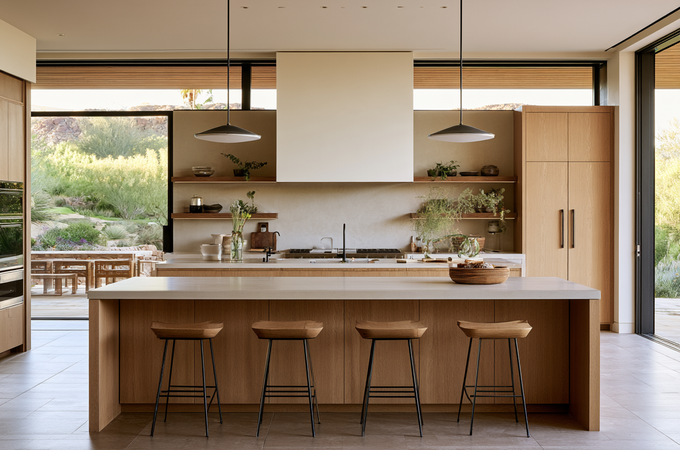
Think white oak, natural maple, or light walnut. These feel relaxed and modern. They’re great in kitchens with lots of natural light. Brass looks soft and gentle next to them, almost like they melt together.
Rich Walnut
Walnut is a deep, chocolate brown with gorgeous grain. It’s probably the most popular choice right now for high-end kitchens. Brass against walnut looks classy and a little bit vintage, in a good way.
Dark Espresso and Chocolate
Very dark brown cabinets feel bold and dramatic. They work best in big kitchens or rooms with a lot of windows. In a small, dim kitchen, they can feel like a cave. Brass really pops against these darker shades.
Painted Brown
Not every brown cabinet has to show wood grain. Painted browns are having a moment too. Think mushroom, mocha, cocoa, or a warm taupe. These have a softer, more modern look. Brass hardware keeps them from feeling flat.
My tip: Get a sample door and look at it in your kitchen at different times of day. Brown can look very different in morning light than it does at night under your ceiling lights.
Choosing the Right Kind of Brass
“Brass” covers a lot of finishes. Each one gives a different feel.
Polished brass is shiny and bright. It’s very glam and formal. Some people love it. Others feel it looks a bit too 1990s. It works best with darker brown cabinets.
Satin or brushed brass has a soft, matte glow. It’s the most popular choice right now because it looks rich without being flashy. It also hides fingerprints better. If you’re unsure, start here.
Antique brass is darker and more aged-looking. It has a rustic, old-world feel. It pairs nicely with traditional kitchens and medium wood tones.
Unlacquered brass is raw brass with no protective coating. It starts out shiny and slowly darkens over time, especially where hands touch it most. This is called a “living finish.” Each pull ages a little differently, like Grandma’s did. People who love it really love it. If you want your hardware to stay the same forever, skip this one.
Hardware Styles That Work Best
The shape of your hardware matters as much as the finish.
For modern kitchens, try long, slim bar pulls or simple edge pulls. They keep things clean and let the wood stand out.
For traditional kitchens, cup pulls on drawers and round knobs on doors are a classic combo. They look great on Shaker-style or raised-panel doors.
For a little personality, look at knurled pulls (they have a textured, crosshatch grip) or pulls with a little curve. These add character without going overboard.
A few quick rules I always follow:
- Size up a little. Bigger pulls look more high end. On wide drawers, use a 6 to 12 inch pull, or two pulls side by side.
- Stay consistent. Pick one or two styles and use them throughout. Too many shapes look messy.
- Measure carefully. Use a template so every pull sits at the exact same spot. Crooked hardware is very easy to notice.
What to Pair With Brown and Brass
Your cabinets and hardware are the stars. Everything else should support them.
Countertops
Light countertops balance out brown cabinets nicely. Try:
- White or cream quartz with soft veining
- Marble or marble-look quartz
- Warm soapstone for a more moody look
- Butcher block on an island, if you love wood on wood
Avoid busy granite with lots of speckles. It tends to fight with the wood grain and makes the room feel cluttered.
Backsplash
Keep it simple. A creamy zellige tile, a classic white subway tile, or a slab of the same stone as your counters all work well. Handmade-looking tiles with little color shifts feel especially warm next to brown.
Walls
Warm whites, soft creams, and light greige colors work best. Stark, bright white can make brown cabinets look darker and harsher. A soft, warm white keeps everything calm.
Lighting
Repeat the brass in your light fixtures. A pair of brass pendants over the island ties the whole room together. You don’t need everything to match exactly. Just keep the same warm metal family.
Faucet
A brass faucet is a natural fit. If you’d rather keep the sink simple, a matte black or nickel faucet can work too. Just stick with one other metal at most so it doesn’t feel random.
Common Mistakes to Avoid
I’ve seen a few brown kitchens go wrong. Here’s what to watch out for.
Too much brown. If your floors, cabinets, counters, and walls are all brown, the room turns into one big blur. Break it up with lighter counters, walls, or a lighter island.
Orange wood tones. Some older oak or cherry cabinets have a strong orange tint. Paired with yellow brass, the whole kitchen can look dated. Look for browns with more neutral or cool undertones, or try a darker brass.
Poor lighting. Brown absorbs light. A dark kitchen with weak lighting feels gloomy fast. Add under-cabinet lights and bright overhead fixtures.
Mixing too many metals. Brass hardware, chrome faucet, black lights, and stainless appliances all at once can feel chaotic. Pick a main metal (brass) and one supporting metal at most.
Can You Update Old Brown Cabinets?
Good news if you already have brown kitchen cabinets that feel tired. You might not need new ones at all.
Swapping in new brass hardware is one of the cheapest upgrades out there. For a medium kitchen, you might spend $200 to $600. It can make 20-year-old cabinets look like a fresh design choice.
Pair the new hardware with a fresh backsplash, warm white walls, and some new light fixtures, and you’ve basically got a new kitchen for a small part of the cost.
If your old hardware holes don’t line up with new pulls, use a backplate to cover them, or fill the old holes with wood filler and touch up the finish.
Caring for Your Brass
Brass is easy to live with. A few tips:
- Wipe it with a soft, damp cloth and dry it right away
- Skip harsh cleaners, which can strip lacquered finishes
- For unlacquered brass, use a little brass polish if you want it shiny again, or just let it age naturally
The Bottom Line
Brown kitchen cabinets with brass hardware work because they’re warm, balanced, and rooted in a long history of good design. Brown feels cozy and real. Brass adds just enough glow to keep it from feeling heavy. Together, they make a kitchen that feels welcoming today and will still feel good years from now.
My grandmother didn’t follow trends. She just picked what felt right. Forty years later, that same look is showing up in brand new luxury homes.
Turns out “what feels right” never really goes out of style.