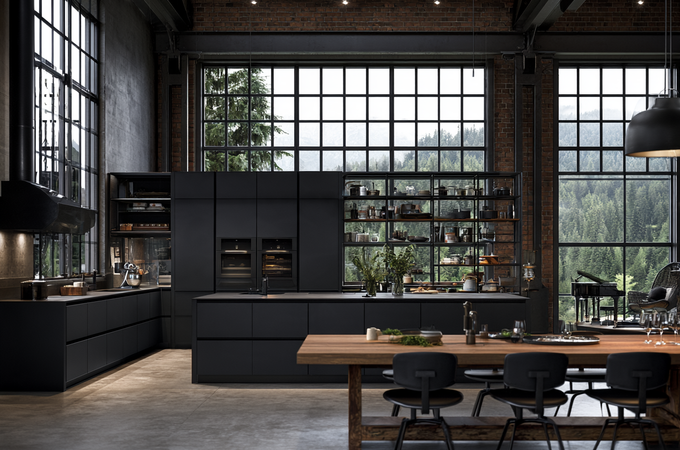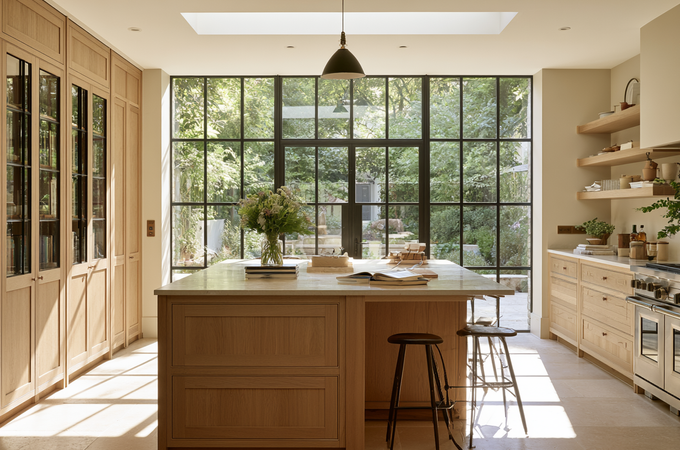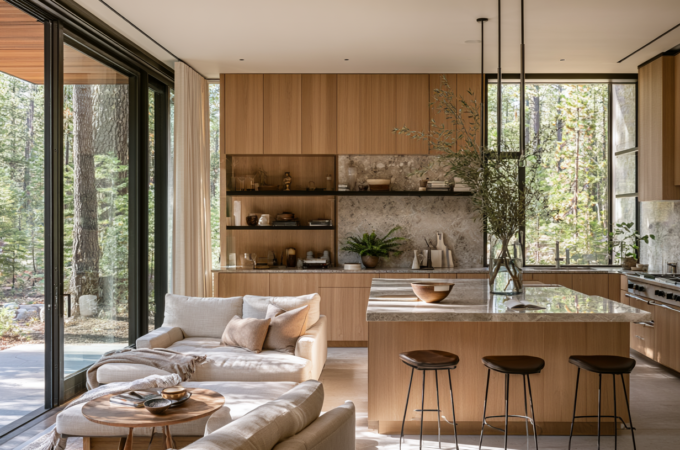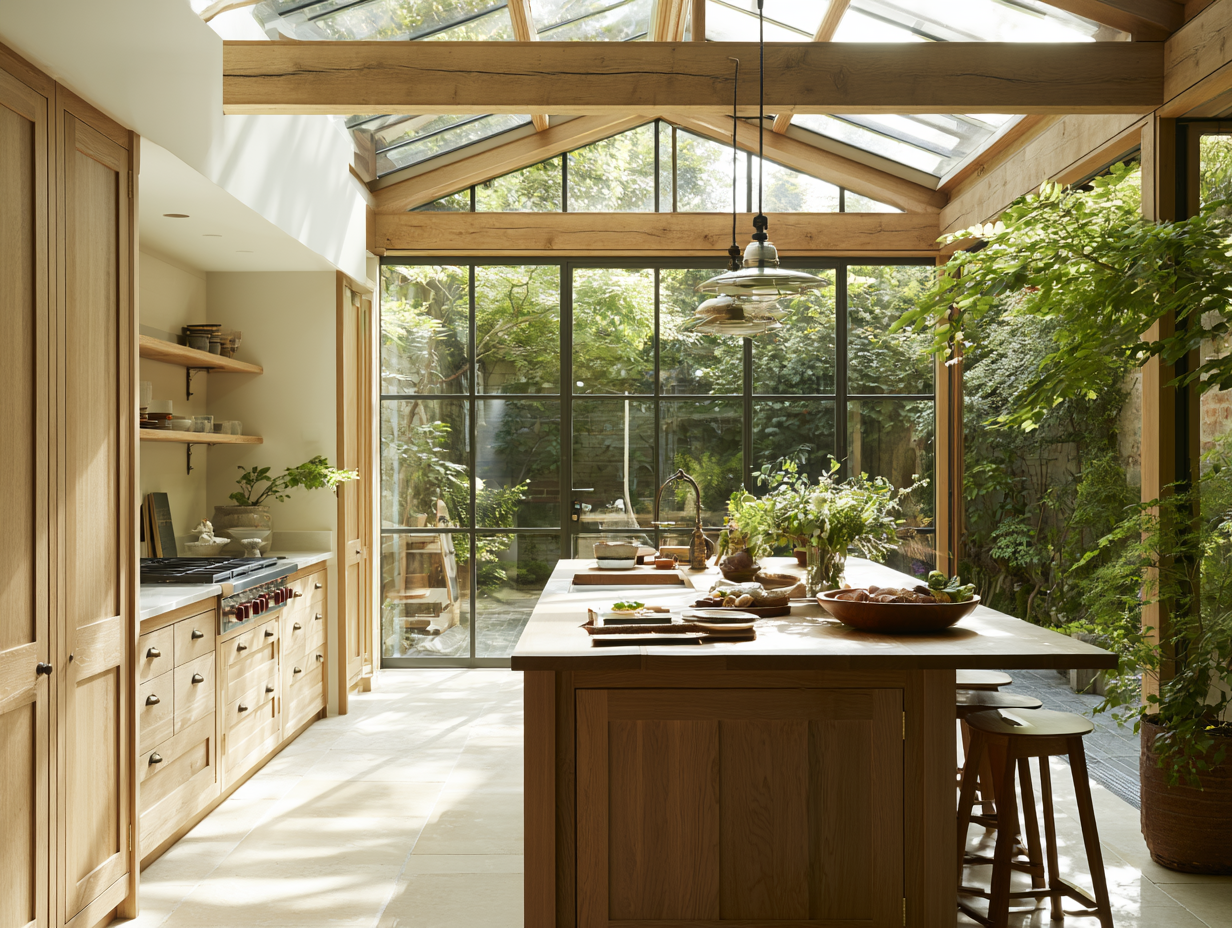
Kitchen Cabinets Designs Are Having a Plot Twist and It Is Not About More Storage
For years, kitchen cabinets had one main job: hide the mess.
Plates went here. Pots went there. That strange drawer full of batteries, takeout menus, and mystery keys had its own place too. When people talked about better cabinets, the conversation usually came down to one thing—more storage.
But something has changed.
Today, kitchen cabinets designs are becoming less about how much stuff you can squeeze behind a door and more about how the kitchen makes you feel. Cabinets are now part furniture, part architecture, and part personal style.
The big plot twist? The best kitchen may not be the one with the most cabinets.
It may be the one where every cabinet actually deserves to be there.
The Wall-to-Wall Cabinet Era Is Fading
There was a time when an empty kitchen wall looked unfinished.
Designers filled every available inch with upper cabinets. If there was room above the refrigerator, another cabinet went there. If there was a narrow gap beside the stove, someone found a way to turn it into storage.
Useful? Absolutely.
Beautiful? Not always.
Modern kitchen cabinets designs are starting to leave more breathing room. Instead of covering every wall, homeowners are choosing fewer cabinets with stronger visual impact.
One wall might have tall cabinets from floor to ceiling while another stays almost completely open. A simple shelf may replace several bulky upper cabinets.
The result feels lighter and calmer.
This does not mean storage has stopped mattering. It means storage is becoming more thoughtful.
Cabinets Are Starting to Look Like Furniture
One of the most interesting changes is how cabinets are being treated.
They no longer have to scream, “I belong in a kitchen.”
Some islands now look like large pieces of handcrafted furniture. Tall pantry cabinets can resemble built-in wardrobes. Glass-front cabinets may feel closer to a display case than traditional kitchen storage.
Small details make a huge difference.
Furniture-style legs, framed doors, natural wood grain, decorative hardware, and carefully chosen finishes can give cabinets more character.
This approach also helps kitchens blend into nearby living and dining spaces.
That matters because many modern homes use open floor plans. When the kitchen is always visible from the sofa or dining table, homeowners want it to feel like part of the home—not a separate work zone.
The Island Is Becoming the Main Character
Kitchen islands used to be supporting actors.
Not anymore.
In many new kitchen cabinets designs, the island is where designers take the biggest risks.
Imagine soft white cabinets around the walls with a deep walnut island in the center. Or simple oak cabinetry paired with an island painted dark green, navy, or even black.
The island becomes an anchor.
It can introduce a different material, color, texture, or cabinet style without making the entire kitchen feel busy.
Some homeowners are even choosing curved island cabinets instead of sharp rectangular boxes. Rounded corners soften the room and create a more custom look.
The island still provides storage, of course.
It just doesn’t have to look like a giant storage container.
Natural Wood Is Showing Its Personality Again
Perfectly smooth painted cabinets dominated kitchens for years.
Now wood grain is coming back into focus.
White oak, walnut, maple, and other natural finishes bring warmth to rooms filled with stone, metal, and hard surfaces.
The goal is not always a rustic look.
Modern wood kitchen cabinets designs can be incredibly clean. Flat cabinet fronts combined with natural grain create a style that feels simple without feeling cold.
Wood also adds something paint cannot fully copy: variation.
Every door has slightly different lines and tones. That natural movement gives the kitchen depth without requiring bold decorations.
Upper Cabinets Are Getting Competition
Removing upper cabinets sounds terrifying if you love storage.
But homeowners are experimenting with alternatives.
Open shelves are one option, but they are not the only answer.
A kitchen might use one long floating shelf above the countertop while moving everyday storage into deep drawers below. Another design might use tall pantry cabinets on one side of the room and leave the cooking area open.
Some kitchens are even using artwork where upper cabinets once would have been.
Yes, artwork in the kitchen.
It changes the mood immediately.
Instead of looking like a room built only for cooking, the kitchen begins to feel like another living space.
Hardware Is Becoming Quieter
Remember when giant cabinet handles were everywhere?
That look has not disappeared, but hardware is becoming more subtle.
Slim pulls, tiny knobs, integrated handles, and handle-free cabinet fronts are helping create cleaner lines.
In minimalist kitchen cabinets designs, hardware may almost disappear.
But there is another side to the trend.
Some designers are treating hardware like jewelry. A simple cabinet can suddenly feel special with an unusual brass knob or sculptural pull.
Both approaches work because the goal is the same: intention.
Nothing should feel like it was selected just because it happened to be available.
Color Is Getting More Complicated—and Better
The all-white kitchen will probably never completely disappear.
But it finally has serious competition.
Warm beige, mushroom, clay, muted green, deep blue, charcoal, and rich brown are changing how cabinets look.
Even more interesting is the move toward mixed colors.
Instead of choosing one cabinet color for the entire kitchen, homeowners may use two or three related finishes.
For example:
- Warm white upper cabinets
- Natural oak lower cabinets
- A dark green island
The kitchen gains layers without needing loud patterns.
Good color choices can also make kitchen cabinets designs feel more connected to the rest of the home.
Texture Is Replacing Decoration
Not everyone wants decorative cabinet doors.
That’s okay.
A cabinet does not need carved details to be interesting.
Texture can do the work instead.
Fluted wood, reeded glass, visible grain, brushed metal, and matte finishes can create depth while keeping the overall design simple.
Reeded or ribbed glass is especially useful when you want display cabinets without showing every detail inside.
You get a hint of the glasses and dishes behind the door, but the texture keeps the view soft.
It is a small design choice that can completely change an ordinary cabinet.
Perfect Matching Is No Longer the Goal
Older kitchen design often followed strict rules.
Cabinets matched cabinets. Metals matched metals. Wood tones matched wood tones.
Today’s kitchens are becoming more relaxed.
A walnut island can sit beside painted cabinets. Brass hardware can exist near stainless steel appliances. Modern flat-panel doors can work beside a vintage dining table.
The secret is balance.
Mixing everything randomly creates chaos. Mixing a few carefully selected materials creates personality.
The strongest kitchen cabinets designs often feel collected rather than purchased as one giant matching set.
Empty Space Has Become a Design Feature
This might be the biggest change of all.
Homeowners are beginning to understand that empty space is not wasted space.
A small section of blank wall can make beautiful cabinetry stand out. Leaving room around a window can bring more daylight into the kitchen. Ending upper cabinets early can make a ceiling appear taller.
Sometimes adding another cabinet actually makes the kitchen worse.
Design is not only about what you put into a room.
It is also about knowing when to stop.
Storage Still Matters—It’s Just Smarter Now
None of this means we should forget practical storage.
A beautiful kitchen that cannot hold a frying pan is going to become annoying very quickly.
The difference is that modern storage tends to work harder behind fewer doors.
Deep drawers can replace traditional lower cabinets. Pull-out organizers make narrow spaces useful. Appliance garages hide coffee makers and small appliances. Tall pantry units can hold an impressive amount without covering every wall.
Instead of asking, “How many cabinets can we fit?”
A better question is, “What exactly needs a home?”
That simple change can lead to a much cleaner design.
The New Luxury Is Personality
Luxury kitchens once seemed to follow a predictable formula.
Expensive stone. Huge island. Perfectly matching cabinets. Lots of everything.
That definition is changing.
A kitchen can feel luxurious because the wood is beautiful. Because the cabinet proportions are right. Because sunlight reaches the countertop. Because one unusual cabinet color makes the room memorable.
Luxury can even mean having less.
The new generation of kitchen cabinets designs is not trying to impress people with the number of doors and drawers.
It is trying to create a room people actually want to spend time in.
Final Thoughts
Kitchen cabinets are not disappearing, and storage is certainly not becoming useless.
The priorities are simply changing.
The most exciting kitchen cabinets designs now balance function with personality, warmth, texture, color, and open space. Cabinets can look like furniture. Islands can become statement pieces. Natural wood can bring life into a simple room. And sometimes the smartest design choice is deciding not to install another cabinet at all.
That is the real plot twist.
For years, we kept asking how to fit more into our kitchens.
Maybe the better question is what we can remove—and what deserves to remain.