Can Skin Boosters Help Makeup Sit More Smoothly?
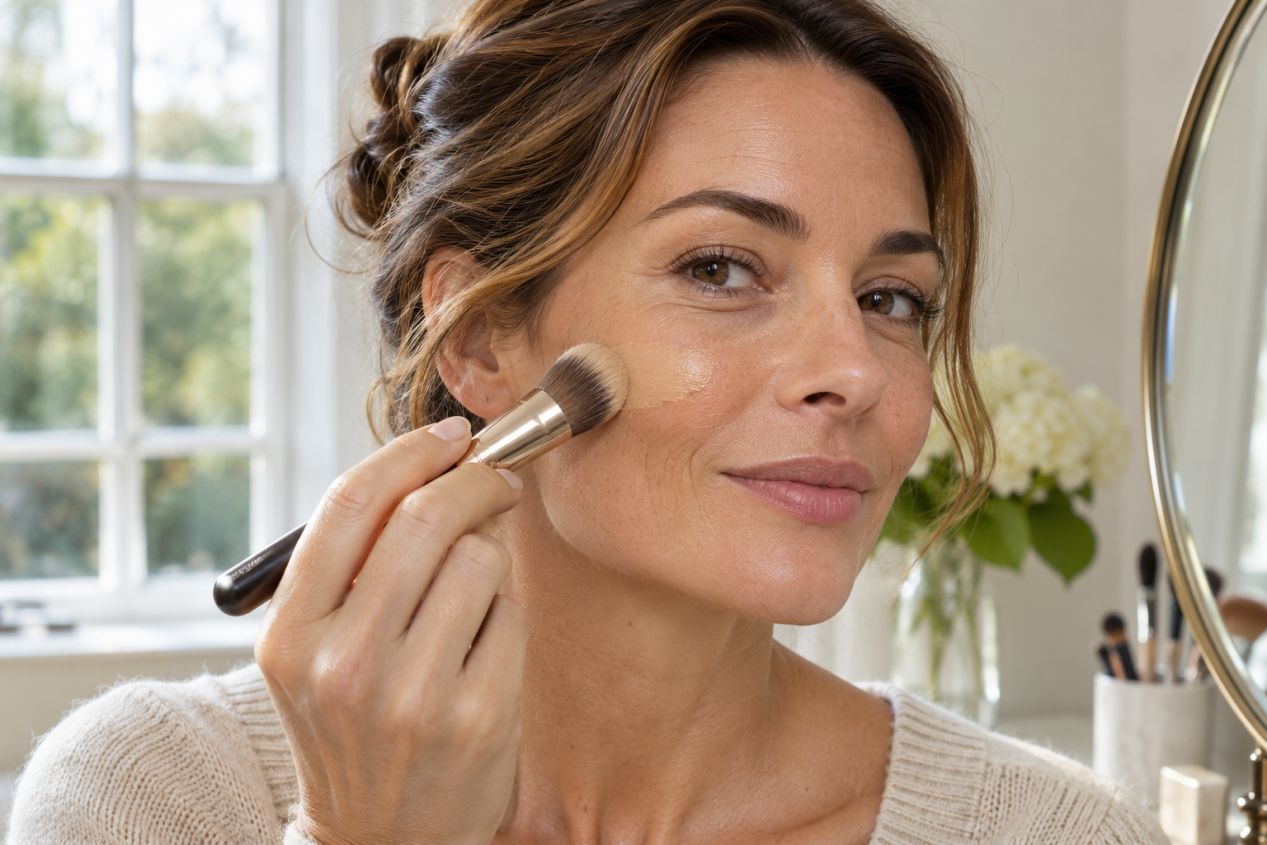
You apply your favourite foundation using the same brush and technique as usual. Some mornings, it blends beautifully. On others, it catches around your nose, settles into fine lines or looks patchy across your cheeks before you have even left the house.
The temptation is to buy a different foundation or add another primer. But the finish of your makeup also depends on the skin underneath it.
That is where skin boosters enter the beauty conversation. Often discussed in relation to hydration and skin texture, they have attracted interest from people hoping for a fresher complexion. Could they also help makeup sit more smoothly? Potentially, but the connection needs a little explanation.
Why does foundation sometimes look uneven?
Foundation adds colour and coverage, but it cannot make the surface beneath it completely smooth. Dry patches, visible texture and fine lines can still show through, sometimes becoming more noticeable as products settle throughout the day.
Application matters too. A generous layer of foundation followed by concealer and powder can look heavier than intended, particularly around areas that move when you smile or talk.
Then there is the preparation. Rushing through skincare, layering too many products or applying makeup before everything has settled can make it harder to achieve an even finish.
Before assuming you need a treatment, it helps to look at when the problem happens. Is your foundation always patchy, or only with a particular moisturiser? Does it look smooth initially and separate later? These details can help you work out what needs changing.
Start with the skin preparation
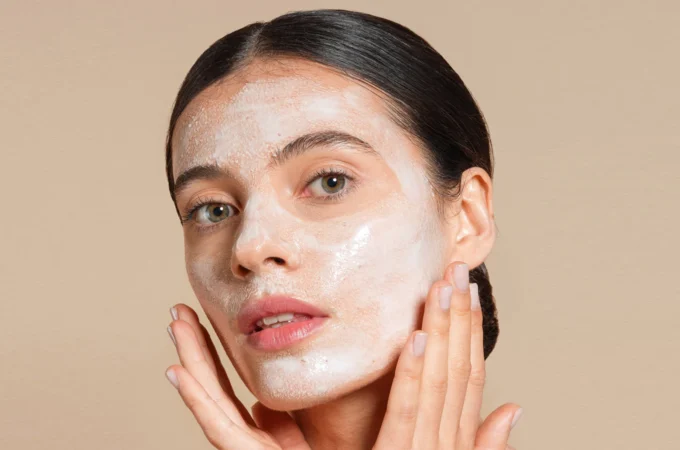
A consistent skincare routine is a sensible starting point, especially if your skin feels dry or uncomfortable.
Gentle cleansing and a suitable moisturiser can help care for dry skin. The American Academy of Dermatology recommends applying moisturiser while skin is still damp after washing to help retain moisture.
For makeup application, keep the routine manageable. Give your skincare time to settle, apply foundation in thin layers and add coverage only where you want it. If a new combination starts rolling into little flakes or looking uneven, try simplifying the layers rather than adding more.
It is also worth resisting the urge to scrub away every patch of texture before an event. Skin does not need to look perfectly smooth up close for makeup to look attractive in everyday life.
Where do skin boosters fit in?
Many injectable skin boosters use hyaluronic acid, a substance naturally present in the skin that binds water. Treatments in this category are intended to improve aspects of skin quality, although formulations, treatment plans and results vary.
There is clinical evidence for improvements in hydration and smoothness with certain products. For example, a randomised study of one injectable hyaluronic acid formulation found improvements in cheek smoothness, fine lines and measured hydration compared with an untreated control group. Those findings relate to the product studied and should not be treated as a promise for every skin booster.
The possible beauty benefit follows from that: if a suitable treatment improves skin hydration or texture, foundation may appear more even over those areas. However, that is an inference from changes in skin quality. The study did not establish that makeup would blend better, last longer or stop creasing.
A consultation should start with your concerns
“ My foundation looks patchy” is a useful starting point for a conversation, but it does not explain the cause on its own. A practitioner should discuss your skin, current routine, medical history and expectations before recommending an injectable treatment.
Nurse Hannah Clinics, based in South Woodford, London, offers skin boosters and personalised consultations, giving people an opportunity to discuss their concerns and whether treatment may be appropriate.
Useful questions include which product is being recommended, what it is intended to improve, how many appointments may be needed and what the total cost would be. Ask about risks, recovery and aftercare too.
The aim is to understand whether treatment addresses your concern. Difficulty finding a foundation you like does not automatically mean your skin needs an injectable procedure.
What could change about your makeup finish?
If treatment improves the texture or hydration of your skin, you may notice a difference in how your usual base looks. A lighter application might give you the finish you want, or certain areas may appear less textured beneath foundation.
These are possible individual experiences, rather than guaranteed outcomes. Skin boosters cannot be expected to solve every cause of patchiness, erase pores or prevent makeup collecting in expression lines.
Your choice of makeup and the way you apply it will still matter. A very matte foundation, several layers of coverage or a generous dusting of powder may give a different result from a sheer base, regardless of whether you have had treatment.
It is more realistic to think about a potential improvement in the skin beneath your makeup than to expect a permanently flawless finish.
Allow time for recovery
Skin boosters are injectable treatments, so planning matters. In the clinical study, reported injection-site reactions included redness, swelling, bruising and small lumps or bumps. Recovery varied between participants.
If you are preparing for a wedding, party or photoshoot, discuss the timing well in advance. Ask your practitioner when you can resume makeup and follow the instructions given for your particular treatment.
Applying foundation immediately to hide injection marks should not be part of your beauty plan.
A smoother base starts with realistic expectations
Skin boosters may have a place in improving skin quality for suitable people, and those changes could influence how makeup appears. They are not a guaranteed answer to patchy foundation.
Start by reviewing your skincare, products and application. If you still want to explore treatment, use a consultation to understand the likely benefits and limitations.
A good makeup day does not require skin without pores, lines or texture. Often, the most flattering finish comes from comfortable skin, carefully chosen products and a little less coverage than you think you need.