Heating Service Checklist for a Safer and More Comfortable Home
As temperatures begin to drop, many homeowners rely heavily on their heating systems without thinking much about their condition until something goes wrong. Unfortunately, unexpected heating problems often appear during the coldest part of the year, when systems are under the most pressure. A poorly maintained system can lead to uneven heating, rising energy bills, poor indoor air quality, and even serious safety risks.
Preparing your heating system before winter arrives is one of the simplest ways to maintain a safer, warmer, and more energy-efficient home. Scheduling regular heating service and following a few practical maintenance steps can help prevent breakdowns while improving overall system performance. Small checks completed early in the season often make a significant difference once colder weather settles in.
This checklist covers essential heating maintenance tasks that help homeowners improve comfort, reduce unnecessary energy use, and keep heating systems operating reliably throughout winter.
Check and Replace Air Filters Regularly
Air filters play an important role in maintaining proper airflow throughout a heating system. When filters become clogged with dust, pet hair, and debris, the system must work harder to circulate warm air around the home. This extra strain can reduce efficiency and increase monthly energy costs.
Dirty filters can also affect indoor air quality by allowing dust and allergens to circulate more easily throughout living spaces. In some cases, restricted airflow may even contribute to overheating issues inside the system itself.
Most households benefit from replacing standard air filters every one to three months, although homes with pets or allergy concerns may require more frequent changes. Checking filters regularly is a simple maintenance habit that helps improve airflow, comfort, and heating efficiency.
Common signs that a filter may need replacing include:
- Reduced airflow from vents
- Increased dust around the home
- Uneven room temperatures
- Higher energy bills
- Excessive furnace cycling
Replacing filters consistently remains one of the easiest and most cost-effective ways to support long-term heating performance.
Test Your Thermostat Before Peak Winter Use
A thermostat acts as the control centre for the entire heating system. Even a properly functioning furnace may struggle to maintain comfort if thermostat settings are inaccurate or inconsistent.
Before winter begins, homeowners should test their thermostat to confirm that temperatures match actual room conditions. If rooms feel colder or warmer than the displayed temperature, recalibration may be necessary. Battery-powered thermostats should also receive fresh batteries to avoid unexpected interruptions during colder weather.
Programmable and smart thermostats can further improve comfort while reducing unnecessary energy use. Adjusting temperatures based on occupancy patterns helps heating systems operate more efficiently throughout the day.
Helpful thermostat habits include:
- Lowering temperatures slightly overnight
- Avoiding constant manual adjustments
- Keeping thermostats away from direct sunlight
- Checking settings before seasonal changes
- Updating schedules for winter routines
Even small thermostat improvements can help reduce strain on heating equipment while maintaining more stable indoor temperatures.
Inspect Vents, Registers, and Airflow Around the Home
Heating systems depend on unrestricted airflow to distribute warm air properly throughout the house. Blocked vents or obstructed registers can create uneven heating patterns and force the system to work harder than necessary.
Furniture, curtains, rugs, and storage items are common causes of blocked airflow. Dust accumulation inside vents may also reduce circulation over time. Walking through each room to inspect supply and return vents can help identify areas where airflow is restricted.
Uneven heating often appears when airflow problems develop. Some rooms may feel overly warm while others remain noticeably colder. Addressing these issues early improves comfort and allows the heating system to operate more efficiently.
Homeowners should also listen for unusual airflow sounds such as whistling or rattling, which may indicate ductwork problems or loose vent covers.
Schedule a Professional Heating Inspection
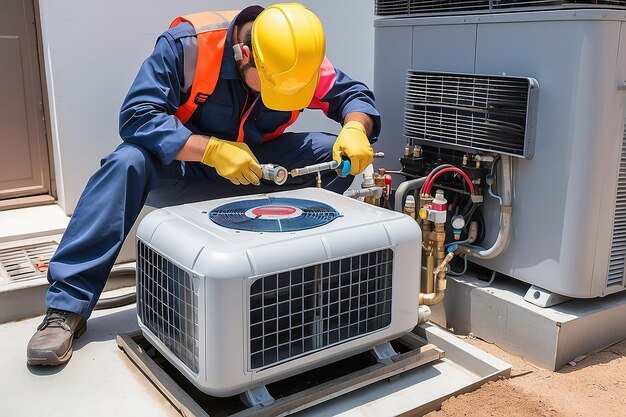
While basic maintenance tasks help homeowners support heating performance, professional inspections remain essential for identifying deeper mechanical or safety concerns. A qualified HVAC technician can examine parts of the system that are not easily accessible during routine household maintenance.
Professional inspections typically include checking:
- Burners and ignition systems
- Heat exchangers
- Electrical connections
- Blower motors
- Gas pressure levels
- Ventilation systems
- Safety controls and shut-offs
These inspections help detect early signs of wear before they become major repairs. In many cases, preventative maintenance also extends the overall lifespan of heating equipment while improving operational efficiency.
Many heating problems develop gradually over time. Strange noises, inconsistent temperatures, short cycling, or delayed heating response often indicate issues that should be professionally evaluated before winter demand increases.
Routine servicing also helps homeowners maintain manufacturer warranty requirements for certain heating systems.
Look for Signs of Carbon Monoxide or Gas Leaks
Heating safety should always remain a priority during colder months, especially in homes using gas furnaces, boilers, or other fuel-burning systems. Faulty heating equipment can sometimes create dangerous carbon monoxide exposure risks if ventilation or combustion problems develop.
Because carbon monoxide is colourless and odourless, functioning detectors are critical throughout the home. Detectors should be installed near sleeping areas and tested regularly before winter begins.
Homeowners should also watch for warning signs that may indicate heating safety concerns, including:
- Yellow or flickering pilot lights
- Soot around heating equipment
- Burning or unusual smells
- Increased condensation near windows
- Frequent headaches or dizziness indoors
If any of these warning signs appear, the heating system should be inspected immediately by a qualified professional.
Taking heating safety seriously helps protect both the home and everyone living inside it during the winter season.
Improve Home Insulation to Reduce Heating Strain
Even an efficient heating system may struggle to maintain comfort if warm air escapes through poorly insulated areas of the home. Insulation and draught prevention work together with heating systems to maintain stable indoor temperatures more effectively.
Common areas where heat loss occurs include:
- Attics
- Windows and doors
- Crawl spaces
- Basements
- Older wall structures
Simple improvements such as weather stripping, sealing gaps, and upgrading insulation can significantly reduce heating demand. Homes that retain heat more effectively place less strain on furnaces and heating equipment, helping reduce long-term wear and energy costs.
Heavy curtains, insulated doors, and properly sealed windows also contribute to improved indoor comfort during colder weather.
Reducing unnecessary heat loss allows heating systems to operate more efficiently without running continuously throughout the day.
Keep Your Heating System Clean Throughout the Season
Clean heating equipment generally performs better and experiences fewer airflow-related problems over time. Dust, debris, and clutter around heating units can interfere with ventilation and increase fire risks in some situations.
Homeowners should keep the area surrounding furnaces and heating equipment free from storage boxes, cleaning products, paper items, and other combustible materials. Outdoor heating components should also remain clear of leaves, dirt, and debris where applicable.
Seasonal cleaning habits may include:
- Vacuuming vents and registers
- Wiping visible dust from heating equipment
- Keeping utility areas uncluttered
- Monitoring unusual smells or noises
- Checking for visible wear around system components
Consistent cleaning helps homeowners notice potential issues earlier while supporting healthier airflow throughout the home.
Conclusion
Keeping your heating system properly maintained is one of the most effective ways to protect your home, improve indoor comfort, and avoid costly emergency repairs during winter. A well-planned heating maintenance routine helps heating systems operate more efficiently, reduces unnecessary energy waste, and supports healthier indoor air quality throughout the colder months. Regular furnace inspections, air filter replacements, thermostat testing, and airflow checks all contribute to better heating performance and long-term HVAC reliability.
Preventative maintenance also plays an important role in household safety by helping detect gas leaks, carbon monoxide concerns, and other heating-related hazards early. Homeowners who prioritise seasonal heating care often experience fewer breakdowns, lower energy bills, and more consistent indoor temperatures during peak winter demand. Investing in routine heating system maintenance and professional HVAC inspections helps ensure your home remains safe, comfortable, and energy-efficient year after year.