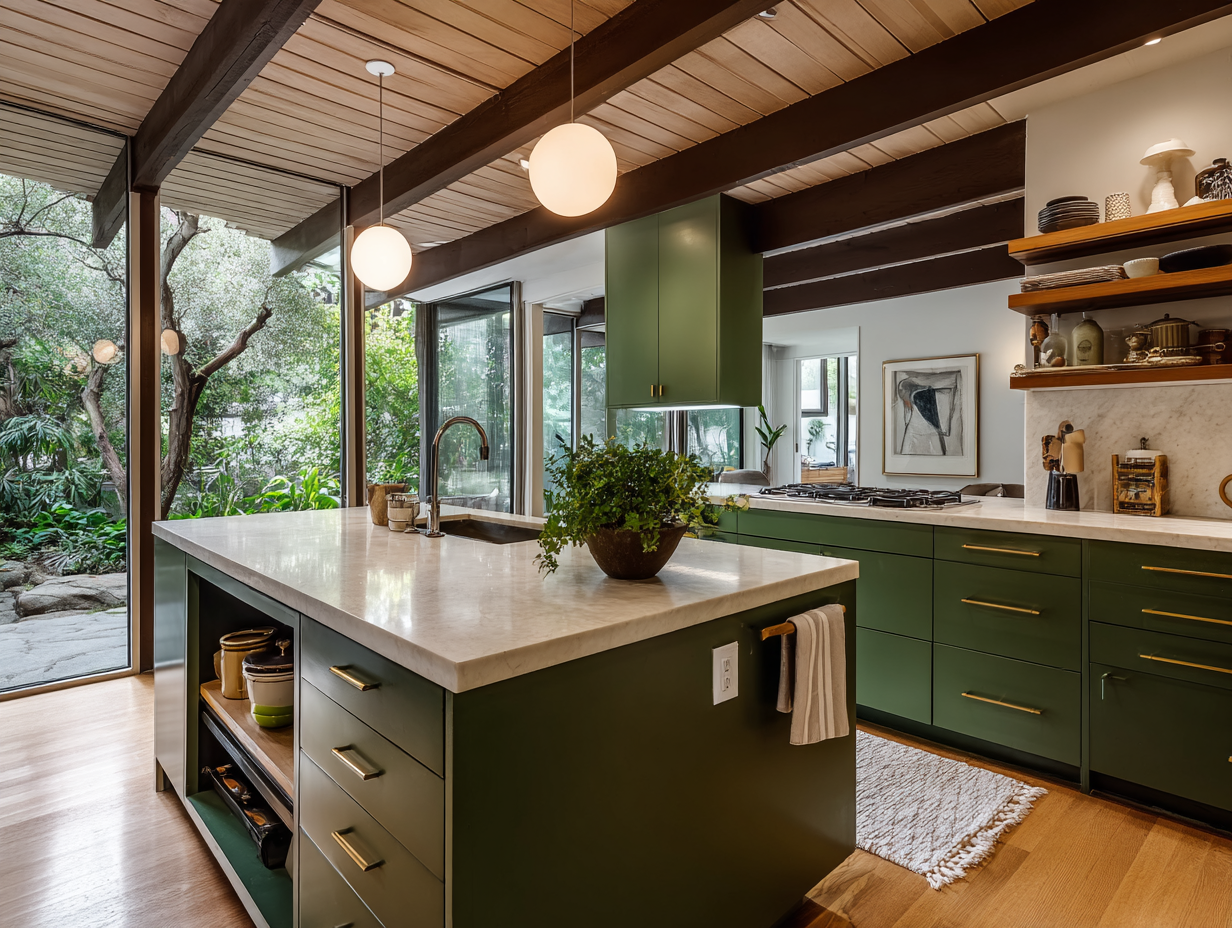
What Makes Mid Century Modern Kitchens So Iconic
Mid century modern kitchens have a quiet confidence. They do not shout for attention, yet they always feel special. Walk into one, and you notice the clean lines, the warm wood, and the simple beauty that just works. There is no clutter. No heavy decoration. Just a calm, balanced space that feels both stylish and comfortable.
So why do mid century modern kitchens still feel fresh today? Why do designers and homeowners keep coming back to this look, even after decades? The answer is simple. These kitchens were built on smart ideas, not just trends. They focused on how people live, move, and feel in a space.
This blog will explore what makes mid century modern kitchens so iconic. From their design roots to their timeless features, you will see why this style continues to inspire homes all over the world.
The Roots of Mid Century Modern Design
Mid century modern design began around the 1940s and lasted into the 1960s. It grew during a time when the world was changing fast. After World War II, people wanted homes that felt new, open, and full of hope.
Kitchens were no longer hidden away. They became part of everyday life. Families gathered there. Friends shared meals. It became a space for connection.
Designers started thinking differently. Instead of heavy cabinets and dark corners, they used open layouts, natural light, and simple shapes. They believed good design should make life easier, not harder.
That idea still defines mid century modern kitchens today.
Clean Lines That Feel Effortless
One of the most recognizable features of mid century modern kitchens is their clean lines. Cabinets are flat. Surfaces are smooth. There is very little extra detail.
This simplicity is what gives the style its strength.
Instead of ornate carvings or busy patterns, mid century modern kitchens rely on shape and form. Straight edges and gentle curves work together to create balance.
This makes the space feel calm. Your eyes are not overwhelmed. Everything feels placed with purpose.
Even today, many modern kitchens copy this idea. But mid century design did it first, and it still does it best.
A Strong Connection to Nature
Mid century modern kitchens bring nature inside.
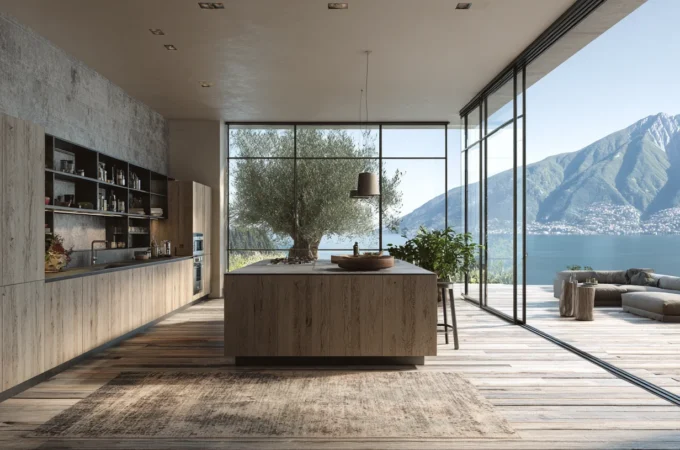
Wood plays a big role. You will often see warm tones like walnut, teak, or oak. These materials add life and texture to the space.
Natural light is just as important. Large windows are common, letting sunlight fill the kitchen. This makes the room feel open and alive.
Some homes even blur the line between indoor and outdoor spaces. A kitchen might open to a patio or garden, creating a smooth flow between the two.
This connection to nature is one reason the style feels so relaxing. It reminds us of something real and grounded.
Smart Functionality Over Decoration
Mid century modern kitchens are not just beautiful. They are smart.
Designers focused on how people use the space. Everything had a purpose. Cabinets were placed for easy reach. Counters had enough space for work. Appliances were arranged to save time and effort.
The famous “kitchen work triangle” idea became popular during this time. It connects the sink, stove, and refrigerator in a way that makes cooking easier.
This focus on function is what makes the style last. It is not just about looks. It is about living better.
Bold Yet Balanced Colors
Color in mid century modern kitchens is playful but controlled.
You might see bold shades like mustard yellow, olive green, or deep orange. These colors add energy to the space.
But they are always balanced with neutral tones. White walls, wood cabinets, or simple countertops keep everything grounded.
This mix creates a space that feels lively without being chaotic.
Even small touches, like a colorful backsplash or bright chairs, can bring the whole room to life.
Iconic Materials That Define the Look
Materials play a huge role in the identity of mid century modern kitchens.
Wood is a key element, often used for cabinets and shelves. It adds warmth and depth.
Laminate surfaces were also popular. They were affordable, durable, and came in many colors and patterns.
You may also see materials like stainless steel, glass, and even terrazzo flooring. These add a modern touch while keeping the space practical.
The mix of materials creates contrast. Smooth surfaces meet natural textures. This balance is part of what makes the style so appealing.
Open Spaces That Invite People In
Mid century modern kitchens are designed to be shared.
Instead of closed-off rooms, they often open into living or dining areas. This creates a sense of flow throughout the home.
A kitchen island or breakfast bar might sit at the center, acting as a place to gather. People can cook, eat, and talk all in the same space.
This idea was ahead of its time. Today, open-plan kitchens are very common, but mid century design helped start this trend.
It turned the kitchen into a social space, not just a work area.
Furniture-Like Cabinet Design
Another unique feature of mid century modern kitchens is how the cabinets look.
Instead of heavy, built-in blocks, many cabinets are designed like furniture. They may have legs or appear to float above the floor.
This makes the kitchen feel lighter and more open. You can see more of the floor, which creates a sense of space.
It also adds character. The kitchen feels less like a machine and more like part of the home.
Lighting That Makes a Statement
Lighting in mid century modern kitchens is both practical and artistic.
Pendant lights are common, often placed above islands or dining areas. They come in bold shapes and materials, adding a sculptural feel.
Some designs use geometric forms or metallic finishes. Others keep it simple with soft, warm light.
Good lighting highlights the beauty of the space. It also makes the kitchen more inviting.
In many ways, lighting becomes a feature, not just a necessity.
Why Mid Century Modern Kitchens Still Matter Today
Mid century modern kitchens have lasted this long for a reason. They are built on ideas that do not go out of style.
They focus on simplicity, function, and comfort. They respect natural materials and human needs. They create spaces that feel open and easy to live in.
In a world full of fast trends, this kind of design stands out. It does not try too hard. It simply works.
Many modern kitchens borrow from this style. Flat cabinets, open layouts, and natural tones are all signs of mid century influence.
But the original spirit of mid century design is what makes it truly iconic.
How to Bring This Style Into Your Own Kitchen
You do not need a full renovation to enjoy the feel of a mid century modern kitchen.
Start small. Choose cabinets with clean lines. Add warm wood tones where you can. Use simple hardware or even go without it.
Bring in natural light if possible. Keep the space open and uncluttered.
You can also play with color. Add a bold accent through chairs, tiles, or decor.
The goal is not to copy the past perfectly. It is to capture the feeling. A space that is simple, functional, and full of quiet beauty.
Final Thoughts
Mid century modern kitchens are more than a design trend. They are a way of thinking.
They remind us that good design should make life better. It should feel natural, easy, and welcoming.
That is why these kitchens remain iconic. Not because they are old, but because they are timeless.
And in a world that is always changing, timeless design will always have a place.