Safety concerns during restaurants relocation
Relocating a food facility, such as a café or restaurant, presents multiple safety challenges that must be addressed to ensure regulatory compliance, protect staff, and safeguard public health. These establishments face unique risks due to the combination of heavy equipment, perishable products, and strict hygiene requirements. Four main safety issues commonly arise during relocations:
- Equipment handling hazards
- Food contamination risks
- Structural and environmental hazards
- Employee safety concerns
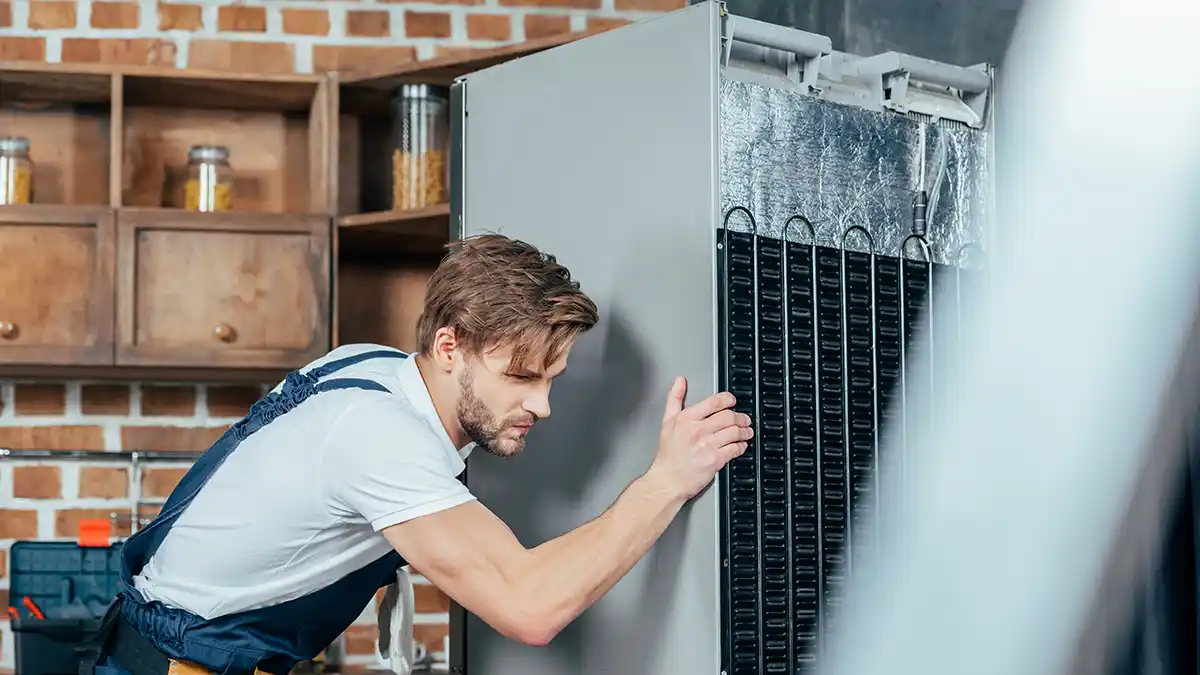
The first significant safety issue relates to handling and transporting heavy kitchen equipment. Commercial ovens, refrigerators, freezers, mixers, and dishwashers are often bulky and extremely heavy. Improper lifting techniques, inadequate use of dollies or forklifts, and failure to properly secure equipment during transport can lead to serious injury or damage. Crushed fingers, strains, and back injuries are common among staff attempting to move large appliances without professional assistance. Additionally, if not properly stabilized, expensive kitchen machinery may be damaged, resulting in costly repairs or downtime. That is why commercial movers Edmonton are a required help in most cases of food facility relocation.
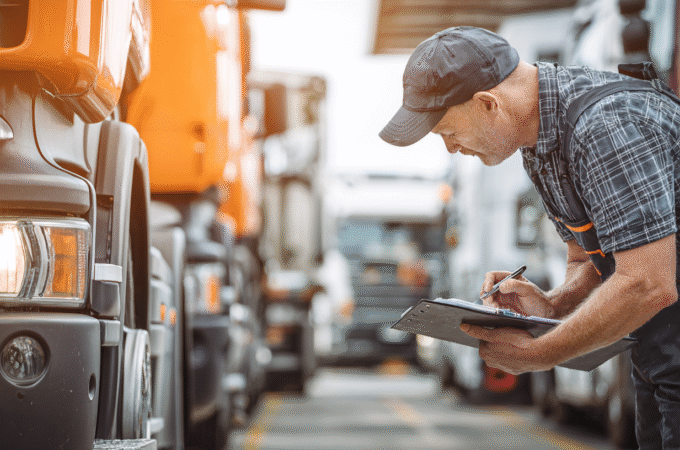
The second problem involves food safety and contamination risks. Perishable items, such as meat, dairy, seafood, and prepared ingredients, must be kept within strict temperature ranges during transport. Extended exposure to ambient temperatures can accelerate spoilage and increase the risk of bacterial growth. Cross-contamination may also occur if raw and cooked foods are packed together or if food comes into contact with unclean surfaces during transport. Proper refrigeration, insulated containers, and adherence to Canadian food safety standards are essential to prevent foodborne illness and regulatory violations.
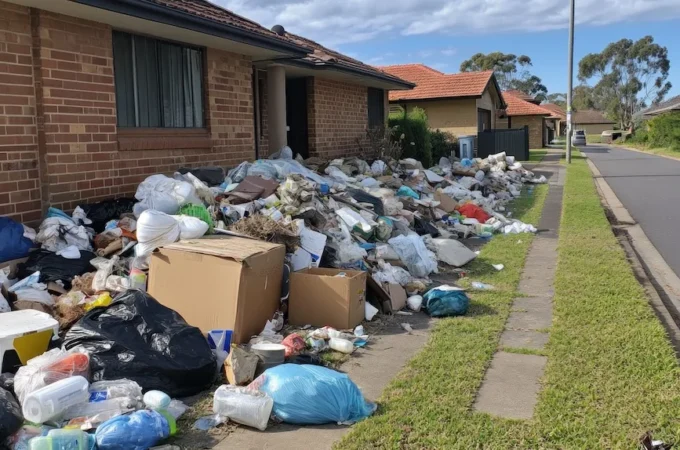
Structural and environmental hazards are the third safety concern. Moving heavy equipment and inventory through tight doorways, stairwells, or elevator shafts can damage building structures and create trip-and-fall hazards. The electrical and gas systems in the new facility must be carefully inspected and reconnected by licensed professionals to prevent fires, leaks, and electrocution. Water lines, ventilation systems, and grease traps also require careful handling to prevent flooding or contamination.
Finally, employee safety is a critical consideration. Employees are exposed to multiple physical hazards, including slips, trips, falls, and repetitive strain injuries. Crowded spaces, time pressure, and the improper use of moving equipment increase the likelihood of accidents. Clear protocols, personal protective equipment (PPE), such as gloves and steel-toed shoes, and training in safe lifting and handling procedures are essential to minimize risk.
Addressing these safety challenges requires careful planning, professional moving services experienced with food facilities, and strict adherence to workplace health and food safety regulations.